
San Juan Transportation Guide 2026
Getting Around San Juan: A Practical Guide to Ubers, Walking, and Traffic
Mastering the rhythms of Puerto Rico’s capital for a seamless 2026 Caribbean escape.
Key Takeaways
- Uber is King: For most tourists, Uber remains the most reliable and transparent way to navigate between Condado, Santurce, and Old San Juan.
- Old San Juan is for Walking: Cars are a liability in the colonial city. Plan to explore the blue cobblestones on foot or via the local golf-cart shuttles.
- Traffic Realities: The “PR-22 Rush” is real. Avoid major highway travel between 4:30 PM and 6:30 PM unless you enjoy scenic views of brake lights.
- Sustainable Transit: 2026 sees a push for eco-friendly travel; the Cataño Ferry is a hidden gem for low-carbon (and highly scenic) commuting.
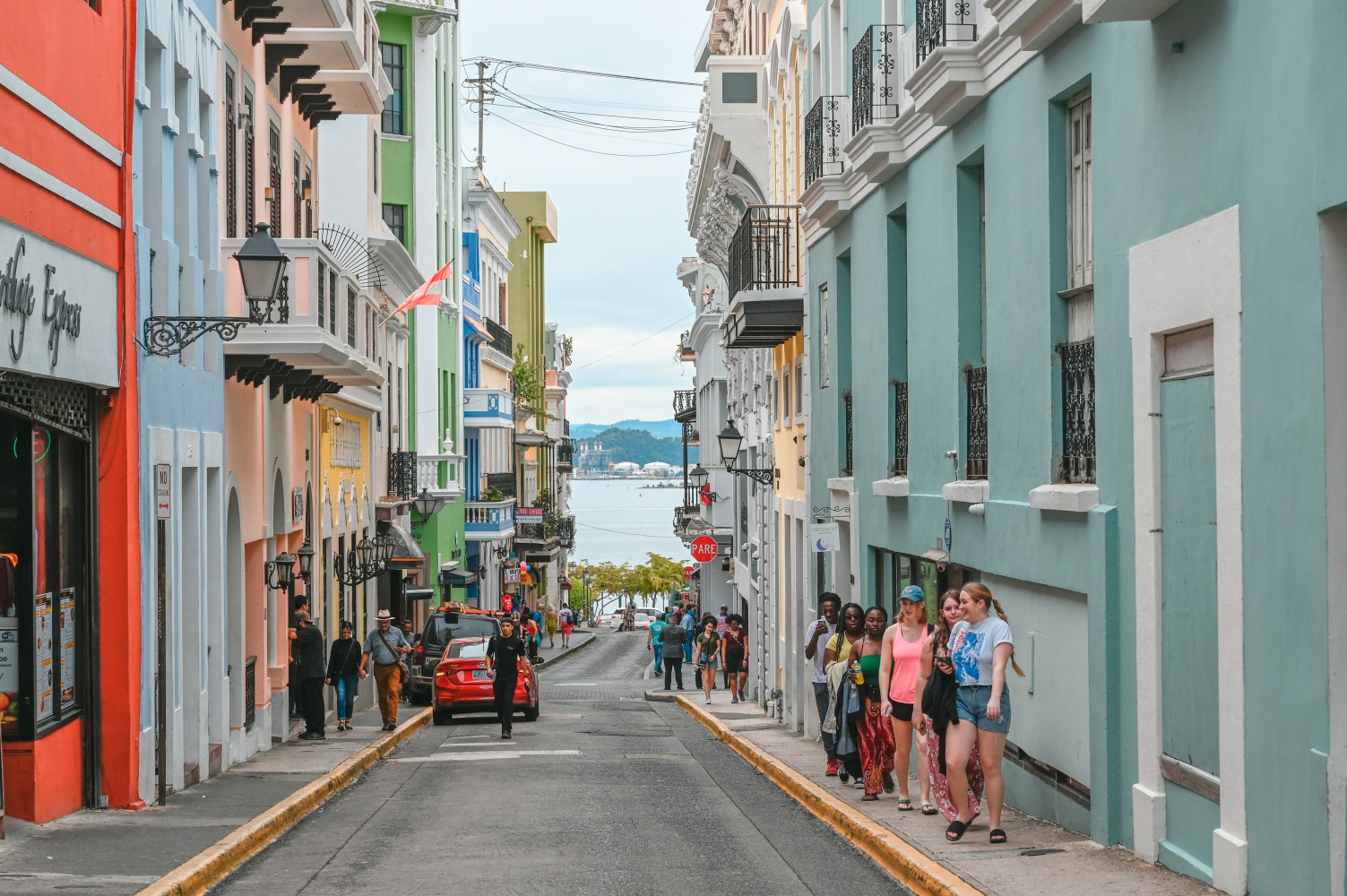
Navigating San Juan in 2026 is a blend of old-world charm and modern-day logistical puzzles. Whether you are staying in a beachfront resort in Isla Verde or a boutique Airbnb in the street-art-heavy Santurce, how you move determines how much of the “Island of Enchantment” you actually see. With new local environmental initiatives focusing on reducing emissions in the historic districts, understanding the nuances of the San Juan transportation guide is more essential than ever.
Why San Juan Logistics Matter in 2026
As tourism levels stabilized in early 2026, San Juan has seen a renewed focus on pedestrian-friendly zones. However, the city’s sprawl means you cannot simply “wing it.” From the strict parking enforcement in Old San Juan to the nuances of the Tren Urbano, being prepared saves you more than just money—it saves you from the sweltering Caribbean midday sun.
| Neighborhood | Best Mode of Transit | The “Vibe” |
|---|---|---|
| Old San Juan | Walking / Ferry | Historic, steep, crowded. |
| Condado | Walking / Uber | Upscale, walkable, breezy. |
| Santurce | Uber / Bicycle | Artsy, gritty, culinary hub. |
| Isla Verde | Uber / Rental Car | Resort-heavy, close to airport. |
1. The Uber vs. Taxi Debate
Uber has become the backbone of tourist movement in the Metro area. While traditional white Taxis Turísticos still exist—offering fixed rates from the airport and major cruise terminals—Uber is generally 20-30% cheaper and offers the safety of GPS tracking.
Pro Tip: If you are heading to a remote excursion, like the Boat Tours departing from Fajardo, do not rely on Uber for the return trip. Many drivers will drop you off but won’t be available for a pickup 45 minutes away from the city. For these, booking a tour that includes transportation is the gold standard of 2026 travel.
Local Tip: At the Luis Muñoz Marín International Airport (SJU), follow the signs for “App-Based Rides” on the second floor. Do not try to hail an Uber from the arrivals curb; it’s a quick way to get stuck in a logistical loop with airport security!
2. Walking Old San Juan: The Cobblestone Challenge
Old San Juan (Viejo San Juan) is a 500-year-old walled city. Its streets were built for horse-drawn carriages, not SUVs. In 2026, the city has further restricted vehicle access to certain plazas to preserve the adoquines (blue cobblestones).
The best way to experience the forts is to start at Castillo San Cristóbal and walk the “Paseo del Morro” trail toward Castillo San Felipe del Morro. The views of the Atlantic are unparalleled, and you avoid the “deadlock” traffic of Calle San Francisco.
Looking for a break from the heat? Many visitors opt for a Walking Tour which often includes access to air-conditioned historical sites and “insider” shortcuts through the city’s hidden alleys.
3. The Cataño Ferry: The Best $1.00 You’ll Spend
The Lancha de Cataño is more than just transit; it’s a 10-minute harbor cruise. For just $0.50 to $1.00 each way, you can cross the San Juan Bay. It’s the most efficient way to reach the Bacardi Distillery without sitting in the heavy traffic of the PR-165. The ferry terminal is located near Pier 2 in Old San Juan, and in 2026, service has expanded to include more weekend evening runs for the sunset crowds.
4. Navigating San Juan Traffic (The “Tapón”)
In Puerto Rico, traffic is called the tapón (the plug). To navigate like a local, you must respect the clock.
- The Morning Rush (7:00 AM – 9:00 AM): Everyone is heading into San Juan.
- The Afternoon Rush (4:00 PM – 6:30 PM): Everyone is heading out toward the suburbs (Guaynabo, Bayamón, Carolina).
If you are planning a day trip to El Yunque Rainforest, leave by 7:30 AM. You’ll beat the crowds and the worst of the highway congestion.
What to Pack for a Day of Transit
- ✅ Comfortable Sneakers: Those cobblestones are slippery when wet!
- ✅ Portable Power Bank: Between GPS and taking photos of colorful houses, your battery will drain.
- ✅ Physical ID: Under 2026 “Real ID” rules, you’ll need this for certain government-managed sites like the Forts.
- ✅ Insulated Water Bottle: Staying hydrated is the only way to survive a walking tour of Santurce.
Frequently Asked Questions
Is there a public bus system in San Juan?
Yes, the AMA (Autoridad Metropolitana de Autobuses) operates throughout the city. While it is very affordable (approx. $0.75), schedules in 2026 remain somewhat unpredictable. It’s best for travelers who are not on a tight timeline. According to DTOP.gov, checking the local transit app is vital for real-time updates.
Can I rent a car just for Old San Juan?
We strongly advise against it. Parking garages like La Puntilla or Doña Fela fill up by 10:00 AM. If you rent a car, keep it for trips to the west coast or Adventure Tours in the mountains.
Is it safe to walk at night?
Touristic areas like Condado, Old San Juan, and the Calle Loíza strip are generally safe and vibrant at night. As with any major city, stay in well-lit areas. For late-night travel between neighborhoods, an Uber is the most secure option.
For more information on local travel regulations, visit the Official Puerto Rico Tourism Site or check the CDC’s travel advisories regarding environmental health in the Caribbean for 2026.